
The Story of the Tractor in Canada

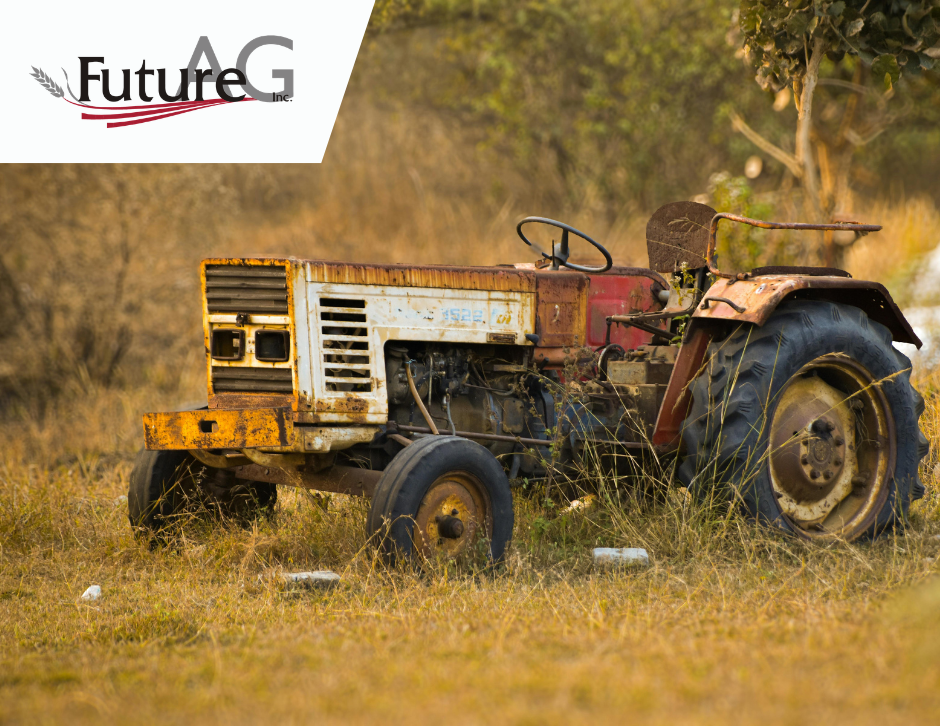
Across Alberta and the Canadian Prairies, the tractor is more than a machine. It represents the evolution of agriculture itself. From the earliest days of homesteading to today’s modern acreages, tractors have shaped how Canadians work the land, endure harsh climates and build livelihoods from the soil.
Horse-Drawn Farming on the Prairies
Before tractors arrived, Canadian agriculture relied heavily on horsepower of a different kind. Horses and oxen were the backbone of farming across Alberta in the late 1800s and early 1900s.
Breaking prairie soil was labour-intensive and slow. Farmers worked long days with teams of animals to seed, cultivate and harvest crops. While effective, this method limited how much land could be farmed and required constant care for the animals themselves.
As settlement expanded across Western Canada, the demand for more efficient tools grew.
Froelich’s Gas-Powered Tractor
In 1892, John Froelich introduced one of the first successful gas-powered tractors. This invention marked a turning point in agriculture, replacing steam engines that were heavy, dangerous and difficult to operate.
Gas-powered tractors were more practical for everyday farm use. They could be started quickly and moved easily between fields. By the early 1900s, these machines began making their way into Canadian farming communities, offering a glimpse of a more efficient future.
The Fordson Tractor and Prairie Expansion
The real breakthrough came with mass production. In 1917, Henry Ford introduced the Fordson tractor, making tractors more affordable and accessible to average farmers.
This was especially important in Alberta and Saskatchewan, where vast stretches of farmland required efficient equipment. The Fordson allowed farmers to cultivate larger areas, helping fuel the rapid expansion of grain farming across the Prairies.
For many Canadian farmers, this was their first experience replacing horses with machinery.
Rubber Tires and Improved Mobility
Early tractors were still rough machines, often running on steel wheels that struggled in muddy or uneven terrain. By the 1930s and 1940s, rubber tires transformed how tractors performed.
This innovation improved traction, reduced soil damage and made tractors more comfortable to operate. In Alberta’s varied conditions, from wet spring fields to dry summer soil, this advancement made tractors far more practical and reliable.
It also allowed tractors to travel between fields and farms more efficiently, further integrating them into daily agricultural life.
Hydraulic Systems and Attachments
Mid-century advancements introduced hydraulic systems, allowing tractors to lift, lower and control implements with ease. This changed everything.
Instead of being limited to one task, tractors became multi-purpose machines. Farmers could switch between ploughs, seeders, loaders and other attachments quickly. This versatility was particularly valuable in Canada, where short growing seasons demanded maximum efficiency.
For Alberta producers, this meant doing more work in less time during critical planting and harvesting windows.
The Rise of Diesel Power Farm Equipment
As farming operations grew, so did the need for more power and fuel efficiency. Diesel engines became the standard in the mid-20th century, offering greater torque and lower fuel consumption compared to gasoline engines.
Diesel tractors proved ideal for large Prairie farms, where long hours and heavy workloads were the norm. They became known for their durability and reliability, traits that Canadian farmers depended on in challenging weather and working conditions.
Modern Tractors and Precision Agriculture
Today’s tractors are a far cry from their early counterparts. Modern machines are equipped with advanced technology such as GPS guidance, automated steering and precision farming tools.
In Alberta, where efficiency and resource management are critical, these innovations help farmers optimize yields while reducing waste. Tractors can now operate with incredible accuracy, ensuring seeds, fertilizer and inputs are used exactly where needed.
At the same time, small and compact tractors have become increasingly popular for acreages and mixed-use properties, reflecting the changing landscape of rural life in Canada.
The tractor’s journey from horse-drawn beginnings to high-tech machinery mirrors the evolution of Canadian agriculture itself. It has enabled farmers and landowners to work smarter, adapt to changing conditions and continue building strong, productive operations across Alberta and beyond.
If you are ready to bring that legacy to your own land, connect with Future Ag to explore reliable tractor options built for Central Alberta and surrounding communities.